Smart Fixes Before the Weather Starts Freezing
Your roof serves as the primary line of defense against frozen precipitation, making autumn the ideal time to evaluate its integrity. Inspect the surface carefully for cracked, curling, or missing shingles that could allow melting snow to seep into the underlayment. Pay special attention to flashing around chimneys and vents, as these joints are notoriously prone to leaks caused by freeze-thaw cycles.
To ensure your overhead structure is fully ready for heavy winter loads, consider contacting professional roofing services to conduct a comprehensive structural evaluation. Experienced specialists can identify subtle sagging or weakened decking that might fail under the weight of wet, heavy snow, preventing catastrophic failures when severe blizzards hit.
If your preliminary visual check reveals significant damage, do not delay in securing expert assistance. Reaching out to qualified emergency roofing contractors ahead of time ensures urgent fixes are made before winter weather creates scheduling backlogs and dangerous installation conditions. Securing professional intervention early keeps your interior dry and protected.
Gutter Clearing and Downspout Management
Clogged gutters are the leading cause of ice dams, which form when trapped water freezes along the roof edge and backs up beneath shingles. Clear leaves, twigs, and debris from gutter troughs to allow melting snow to flow freely. Ensure gutter brackets are securely fastened, as heavy ice can easily pull loose gutters straight off the house.
Downspouts must discharge water at least five to six feet away from your foundation. Attach extensions or splash blocks to guide runoff toward proper drainage paths. Eliminating pooled water near your foundation reduces the risk of basement flooding, structural cracking, and dangerous ice sheets forming along walkways.
Securing Your Plumbing Infrastructure

Uninsulated water pipes running through unheated basements, attics, crawlspaces, and garages represent significant winter hazards. When water inside a pipe freezes, it expands, placing immense pressure on the pipe wall until it bursts. Applying foam pipe insulation or heat tape along exposed copper, PEX, or galvanized lines creates an essential thermal barrier.
For older homes or complex interior layouts, partnering with a reliable plumbing service can identify overlooked line vulnerabilities. Qualified technicians can assess hidden pipe runs and install specialized thermal insulation in vulnerable wall cavities, preventing catastrophic indoor flooding and costly water damage repairs during sudden Arctic blasts.
When severe cold snaps strike, keep cabinet doors under sinks open to allow warm ambient air to circulate around plumbing fixtures. Additionally, allowing a tiny trickle of water to run through faucets connected to exposed pipes keeps water moving, significantly lowering the likelihood of ice formation.
Exterior Hydrant Care and Pressure Verification
Managing outdoor water sources is vital before the first hard freeze. Disconnect, drain, and store all garden hoses, as leaving them attached traps water inside the spigot, leading to burst interior pipes. Install insulated foam covers over exterior wall hydrants to shield them from freezing temperatures.
For properties with dedicated irrigation lines or specialized commercial connections, schedule annual backflow testing before turning off main supply lines. Certified inspectors ensure check valves operate correctly, preventing contaminated water from siphoning into your clean household water supply when system pressure drops. Draining these exterior assemblies thoroughly prevents expensive valve bodies from cracking.
If you encounter stubborn outdoor shutoff valves or suspect hidden leaks along main supply lines, consult local plumbing companies for expert diagnosis. Local professionals possess specialized tools to pinpoint underground vulnerabilities without unnecessary excavation, protecting both your main water connection and outdoor utility structures.
Optimizing Heating and Climate Systems
Your heating system is the heart of your home during colder months, making thorough checks essential before temperatures drop. Replace air filters every one to three months to maintain strong airflow and preserve furnace efficiency. Clogged filters restrict airflow, causing components to overheat and fail when you need consistent heat most.
To maximize efficiency and system longevity, hire experienced HVAC contractors to perform a thorough pre-winter tuneup on your central unit. Trained technicians clean burner assemblies, inspect heat exchangers for dangerous cracks, test safety controls, and calibrate your thermostat. Routine fall maintenance minimizes unexpected winter breakdowns and reduces monthly heating utility expenses.
Do not overlook ductwork passing through unconditioned attics or basements. Seal open joints with metal-foil tape or duct sealant, then wrap ducts in fiberglass insulation to prevent warm air from escaping before reaching living rooms, ensuring even heat distribution across every room in your house.
Boiler and Radiator Optimization
Radiator heating systems require dedicated seasonal maintenance to deliver uniform heat. Check each radiator for cold spots while the system is running; cold upper sections indicate trapped air preventing hot water or steam from circulating effectively. Use a radiator key to carefully bleed trapped air until a steady trickle of water appears, restoring full heating capacity.
If your system struggles to reach set temperatures or produces unusual noises, contact reputable Heating companies to perform a comprehensive boiler flush and inspection. Professional technicians inspect pressure relief valves, check expansion tanks, and clear sediment buildup from the heating coil to prevent system burnouts.
For homes relying on older boilers or radiant heat systems, prompt attention to minor malfunctions prevents winter emergencies. Seeking timely Heating repair resolves leaking pressure valves, faulty circulator pumps, and malfunctioning zone valves before extreme cold taxes your system, protecting your family from freezing indoor conditions during heavy winter storms.
Hot Water Heater Efficiency
Few household inconveniences match the discomfort of losing hot water during the depths of winter. Drain a few gallons of water from your water heater tank each fall to flush out accumulated sediment that reduces heating efficiency and accelerates tank corrosion. Additionally, check the temperature and pressure relief valve by gently lifting the lever to ensure it releases water freely and seats back properly without leaking.
If your water heater is over ten years old or displays persistent temperature fluctuations, consider consulting certified water heater installers about modern, energy-efficient replacements. Upgrading to a modern tankless or high-efficiency tank model guarantees a reliable hot water supply during peak demand periods, ensuring proper venting, accurate gas or electrical hookups, and full compliance with local safety codes.
Wrapping your traditional tank water heater in an insulated fiberglass blanket reduces standby heat loss, particularly if the appliance sits in an unheated garage or basement. Setting your water heater temperature to 120 degrees Fahrenheit provides ample warmth while preventing scalding risks and reducing monthly energy usage.
Foundation, Underground, and Wastewater Systems

Cold weather places unique stress on residential wastewater systems, making fall the optimal season for septic maintenance. High groundwater levels and frozen topsoil can slow down drainfield absorption, leading to hazardous backups if the primary tank is overflowing. Inspect the area around your drainfield for spongy soil or pooling liquid, which indicates underlying drainage problems.
Scheduling a routine septic pumping before the ground freezes solid ensures accumulated solids are removed from the tank. Pumping removes heavy sludge that could otherwise float into the leach field and cause permanent soil clogging during frozen winter conditions, protecting your property from raw sewage backups and expensive field restoration projects.
Protect buried pipes leading from your home to the septic tank by applying a layer of organic mulch over the pipe trench. This extra surface insulation prevents frost from penetrating deep into soil and freezing the main sewer line. Never drive heavy vehicles or park equipment over your drainfield, especially during winter when frozen ground concentrates surface weight.
Foundation Sealing and Sump Pump Readiness
Water entering basement walls through foundation cracks can freeze, expand, and widen fissures, jeopardizing structural stability over time. Inspect exterior foundation walls thoroughly, sealing visible cracks with exterior-grade hydraulic cement or polyurethane masonry sealant. Sealing exterior gaps prevents meltwater from entering your basement and mitigates the risk of structural frost heaves.
Test your sump pump system before winter storms arrive by pouring a bucket of water into the sump pit to confirm the float switch activates immediately. Ensure the exterior discharge pipe extends far enough from the foundation so discharged water does not refreeze and flow back toward your home. Installing a battery backup power supply guarantees your sump pump operates during winter power outages.
Clear window wells of dead leaves and debris to prevent melting snow from pooling against basement glass. Installing clear acrylic covers over window wells provides an extra barrier against snow accumulation, allowing natural light into your basement while keeping moisture away from window frames.
Draft Sealing and Insulation Fortification
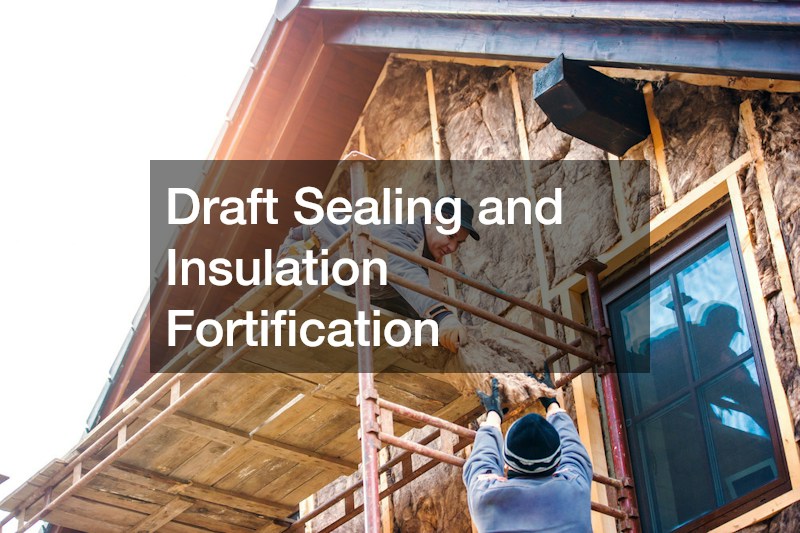
Drafty doors and windows allow costly heated air to escape while letting freezing outdoor air infiltrate your living space. Inspect weatherstripping around exterior doors, replacing worn or compressed seals with fresh foam or rubber products. Adjust door thresholds so the sweep forms a tight seal against the floor without dragging heavily when opened.
Apply clear silicone or acrylic caulk along the outer perimeter of window frames, trim joints, and baseboards where air leaks are detected. For older single-pane windows, applying removable window insulation film creates an insulating air pocket that dramatically cuts down on winter drafts, improving indoor comfort and reducing seasonal heating bills.
Check attic access hatches and basement rim joists for air leaks, as these areas act as chimneys drawing heat out of your home. Sealing these gaps with expanding foam sealant stops convective heat loss and maintains consistent temperatures across all floors.
Attic Insulation and Ventilation Adjustments
Sufficient attic insulation is essential for keeping warm air inside living areas and preventing ice dams on the roof edge. Check that your attic floor is covered with an adequate layer of loose-fill or batt insulation, aiming for an R-value between R-38 and R-60 depending on your climate zone. Ensure insulation does not cover soffit vents, as blocked ventilation traps moisture and accelerates wood rot.
Proper attic ventilation allows cold air to enter through soffit vents and exit through ridge vents, keeping the roof deck cold. A cold roof deck prevents snow from melting prematurely on the upper roof and refreezing at cold eaves, eliminating the primary cause of ice dams. Balancing insulation depth with open ventilation paths protects both your roof and home interior.
Insulate exposed exhaust ducts passing through the attic space, such as bathroom fan vents and kitchen hood exhausts. Uninsulated ducts cause moisture in warm exhaust air to condense, freeze, and eventually drip back down into ceiling fixtures. Wrapping these ducts in insulated jackets ensures warm, moist air exits your home completely.
Emergency Preparedness and Final Safety Checks
Winter blizzards frequently bring down power lines, leaving homes without electricity or municipal heating for days. If you own a portable or standby generator, test it under load before winter arrives, checking oil levels, spark plugs, and air filters. Store fresh fuel in approved containers with fuel stabilizer added to prevent carburetor clogging during extended emergency use.
For homes with wood-burning stoves or fireplaces, sweep the chimney flue to remove combustible creosote deposits before lighting the season’s first fire. Store a generous supply of dry, seasoned firewood off the ground and under a protective tarp near your home. Having an alternative heat source ensures your family stays warm even during prolonged electrical grid failures.
Assemble a winter emergency kit containing essential supplies, including heavy wool blankets, flashlights, extra batteries, non-perishable food, bottled water, and a first-aid kit. Keep a manual can opener and portable power banks charged and readily accessible. Preparing these emergency supplies provides security and comfort when winter storms isolate your household.
Safety Device Testing and Battery Replacement
Because homes remain tightly closed during winter, the risk of indoor air hazards like carbon monoxide accumulation increases significantly. Test all smoke detectors and carbon monoxide alarms throughout your house, replacing batteries with fresh units. Place carbon monoxide detectors near sleeping areas and near fuel-burning appliances like furnaces, water heaters, and fireplaces.
Check expiration dates on your home fire extinguishers, ensuring pressure gauges indicate a full operational charge. Keep at least one operational fire extinguisher on every level of your home, with extra units placed in the kitchen, garage, and furnace room. Familiarize every family member with proper fire extinguisher operation and establish an emergency escape plan.
Finally, locate and label all main utility shutoff valves for gas, water, and electricity so you can react quickly in an emergency. Ensure access to these valves remains clear of clutter throughout the winter season. Knowing how to isolate utilities quickly can save thousands of dollars in property damage if a pipe bursts or an appliance fails.
Protecting Your Investment for the Seasons Ahead
Taking the time to perform comprehensive pre-winter maintenance is one of the most effective ways to protect your home, lower energy expenses, and ensure your family’s safety throughout the coldest months of the year. By addressing roof vulnerabilities, insulating exposed pipes, servicing heating equipment, and sealing drafty openings, you transform your house into an energy-efficient fortress capable of withstanding severe winter weather.
Proactive care eliminates the stress, expense, and danger of emergency repairs when temperatures are at their lowest. Rather than scrambling to address sudden structural leaks, burst pipes, or furnace failures during a blizzard, you can relax in the warmth and security of a well-prepared home. Start executing your winter prep checklist today, and enjoy total peace of mind all winter long.